
Mini Cart
Selecting proper running footwear can make exercise more pleasurable as well as decrease the likelihood of injury while enhancing performance throughout your workout. To choose running shoes correctly, it is important to consider your running mechanics, surface conditions, foot shape, and preferred amount of cushioning. Therefore, one type of running shoe may fit an individual perfectly, while another individual may find that same product is not comfortable.
Whether you are starting a fitness program or training for long-distance events, understanding running technologies will help you choose the right footwear.
The following information discusses how to choose a combination of cushions, pronation, foot size, terrain, and training objectives when evaluating potential footwear options.
Types of Running Shoes
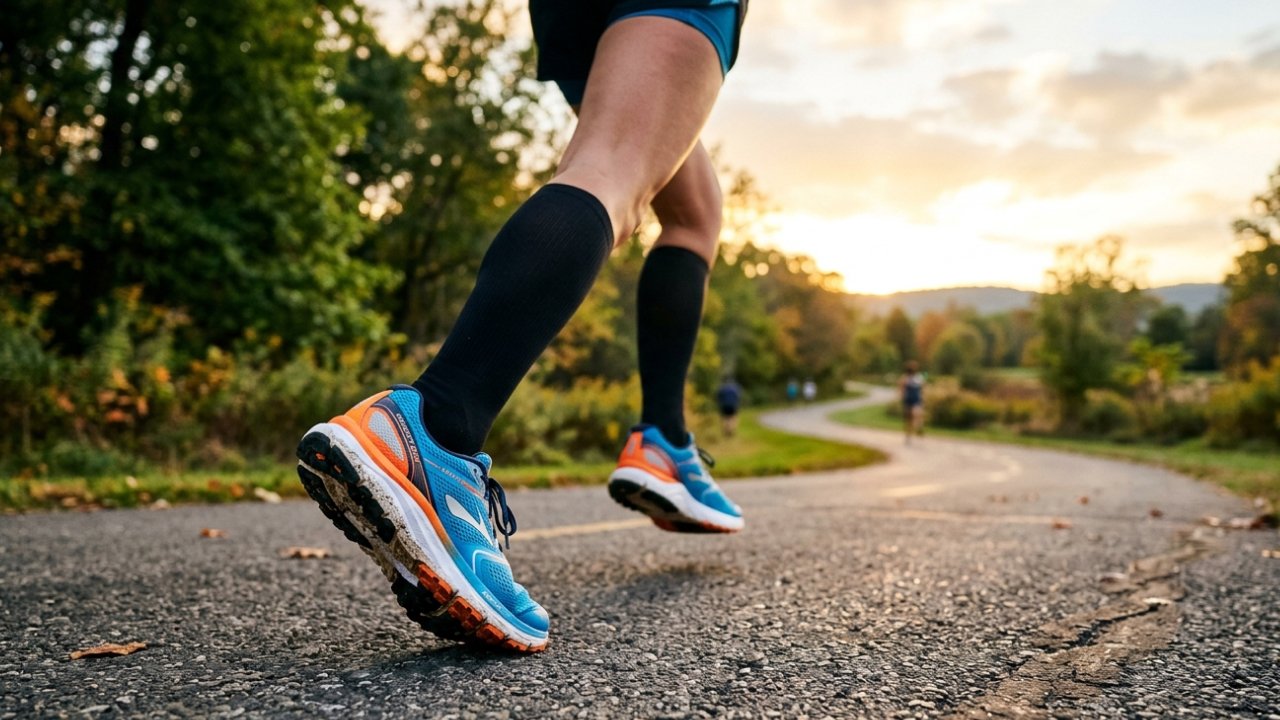
There are several kinds of shoe designs for different surfaces and types of runners. The first part of selecting the right shoe will be the category of shoe that will work best.
Road Running Shoes
Road running shoes work best on pavement, treadmills, sidewalks, and similar surfaces (hard surfaces) and provide very light and flexible construction to absorb the repeated stress of running. These road running shoes typically include:
- A smooth outsole
- Breathable upper
- Cushioned midsole
- Lightweight materials
Road running shoes are a great choice for daily training, running in cities, and running long-distance races on the road. If you primarily run on paved surfaces, these are often the best option to choose running shoes for comfort and performance.
Trail Running Footwear
It is built specifically for running off-road, including dirt trails, rocky surfaces, and muddy ground. Trail shoes differ from road running shoes with respect to the following:
- More aggressive lugs for traction
- Stronger and more durable upper materials
- Added rock protection
- More efficient grip on uneven surfaces
Trail running footwear can provide added stability and help protect your foot when you are running on a difficult or technical trail.
Stability Running Shoes
The primary purpose of a stability running shoe is to provide support to runners whose foot rolls excessively inward as they run, known as overpronation. Stability running shoes use a variety of support technologies. These include:
- A firmer midsole
- Arch support
- Motion control features
Improved foot alignment and reduced stress on the knees and shin from the use of stability shoes is possible through the use of this style of running shoe.
Neutral Running Shoes
Runners with neutral pronation or mild supination should use neutral running shoes. This style of shoe will help with:
- Cushion
- Flexibility
- Smooth transition from heel to toe
- Natural gait of the foot
The majority of runners ‘neutral shoes have only one type of running shoe.
Racing Shoes
When it comes to racing shoes, they are both lightweight and very responsive, and give their users added speed by using either a carbon plate or high-end foam for increased energy recovery, which is beneficial during racing. They are designed for use on race day, in speed workouts, in tempo runs, and by serious competition athletes alike.
Road vs Trail Running Shoes
Using the wrong type of footwear for your style of running is one of the most common errors made by runners.
Road Running Shoes
Road shoes perform best on:
- Parking lots
- Business driveways
- Pavements
- Treadmills
- Indoor tracks
As well as providing great cushioning from shock and transitioning between different surfaces without difficulty.
Trail Running Footwear
Footwear designed for trail running performs best on:
- Muddy trails
- Rocky trails
- Grassy surfaces
- Unlevel surfaces
They have features (such as deep tread lugs) designed to increase the traction and durability of the shoe. For runners who regularly run both on pavement and on mild trails, hybrid shoes may also be a smart way to choose running shoes that suit multiple terrains.
Understanding Foot Type & Pronation
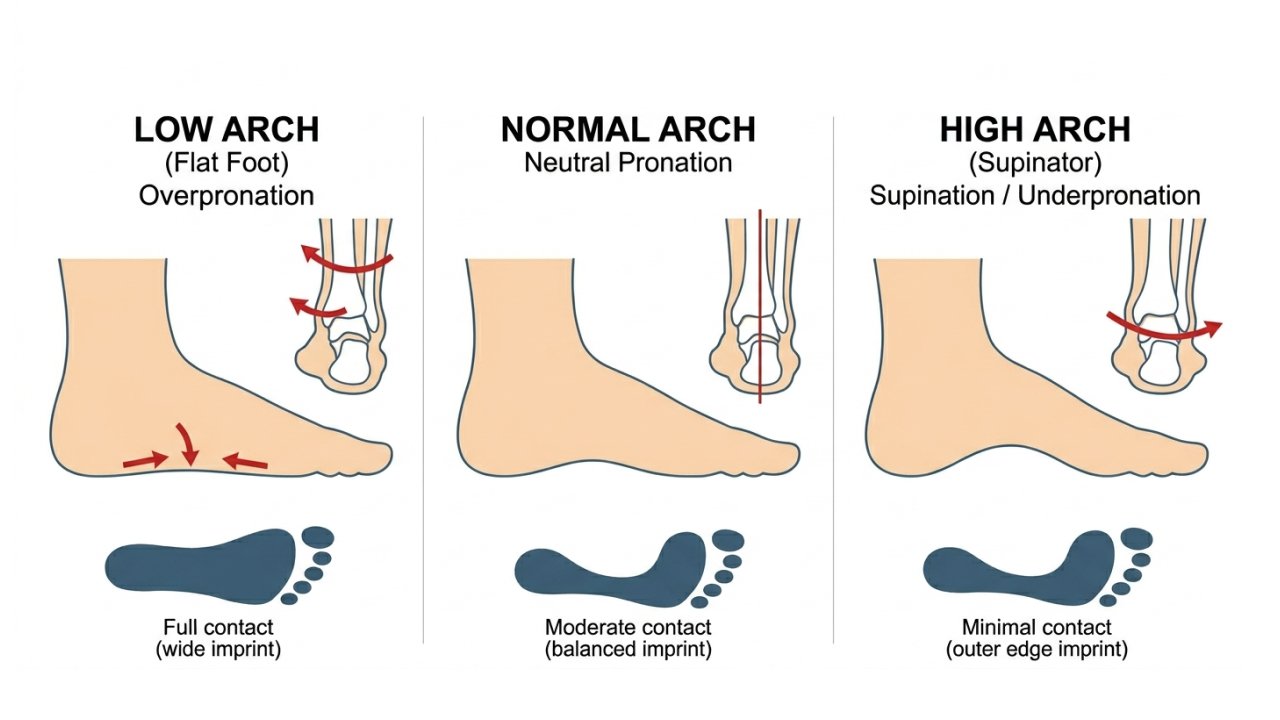
Your foot shape, movement pattern, and the ability to properly measure foot size affect how your body absorbs impact while running.
Foot Types
Flat Feet
- Due to how flat feet typically strike the ground, there is often an excessive inward rolling motion of the foot when running because of collapsing arches.
- Athletes who have flat feet benefit from adding extra support through stability sneakers.
Neutral Arches
- Neutral feet have a good natural distribution of weight, resulting in being able to wear almost any pair of neutral running shoes from different sneaker brands.
High Arches
- High-arched individuals naturally absorb less shock; thus, there is increased joint stress to the body when running.
- High-arched runners typically enjoy using cushiony neutral shoes.
What is Pronation?
Pronation refers to how the foot naturally rolls or flexes toward the inside during running.
Neutral Pronation
With neutral pronators, the foot typically rolls slightly inward, which helps distribute impact on the foot correctly.
Overpronation
With over-pronators, the foot rolls inward too much (over-pronating). Indicators that a runner has a tendency to over-pronate include:
- Excessive wear on the inside of the shoes
- A collapse of the arch
- Knee pain
Because of these factors, over-pronators will usually be fitted with a “stability shoe type.”
Supination (Under-Pronation)
A supinator typically rolls their foot out too much (supinates), resulting in a lack of cushion underfoot, thereby reducing shock absorption. Supinators usually prefer neutral cushioned shoes.
How to Check Your Pronation
Examine the outsoles of your old running shoes:
- If you have wear in the centre of the outsole, you likely have neutral pronation.
- If you have wear on the inside of the outsole, you likely have over-pronated feet.
- If you have wear on the outside edge of the outsole, you likely have under-pronated feet (supinated feet).
Additionally, many specialty running stores provide professional gait analysis services to help you choose running shoes that match your stride.
Cushioning & Heel Drop Explained
The type of cushioning in running shoes can have a significant impact on comfort, responsiveness, and the amount of shock absorbed.
Minimal Cushioning
Minimalist footwear gives you more ground feel and flexibility than its more cushioned counterparts. While they will be very light in weight, they require a certain period of adjustment to get used to.
Moderate Cushioning
Moderate cushion shoes do a good job of balancing both comfort and responsiveness to the ground. Most runners will find these types of shoes to be appropriate for training and everyday running.
Maximum Cushioning
Maximal cushion running shoes provide superior cushioning through the thick & plush midsole, allowing for the softest landings, making it renowned amongst individuals with:
- Those just starting to learn to run
- Long-distance runners
- Recovery runners
- Larger/Heavier runners
Soft vs Firm Cushioning
The difference between soft and firm cushioning is that soft can provide one with much more plush comfort, while firm tends to provide one with a firmer and more responsive feel, especially when running at faster paces. Ultimately, whether you prefer soft or firm cushioning is the decision of the individual runner to make.
What is Heel Drop?
The difference in height (mm) from the heel of a shoe to the footbed (forefoot).
- High Heel Drop: The shoe encourages heel striking when running or walking and often provides more cushioning in the heel.
- Low Heel Drop: The shoe encourages a mid-foot or forefoot strike (these shoes are generally thought to offer a more natural feel).
- Zero Heel Drop: The shoe has no height differential between the heel and forefoot, and the two (heel and forefoot) are positioned in the same plane.
A correctly-fitted shoe with no prefabricated height may allow for proper alignment and can be used with minimal transition time.
How to Choose Shoes Based on Running Goals
- Training Every Day: Daily training shoes are built for comfort, cushioning, and durability, but also provide stability.
- Distance Running: Long-distance running shoes are designed to be very light and cushioned, with added spring return.
- Speed Training: Shoes for speed training are made to be lightweight and responsive, with more stiffness in the heel.
- Recovery Running: Recovery shoes are designed to relieve fatigue through cushioning and reduce impact.
- New Runners: New runners typically benefit from comfort, versatility, and a moderate amount of cushioning with their running shoes.
Understanding your running goals can make it much easier to choose running shoes that improve both comfort and performance.
When to Replace Running Shoes
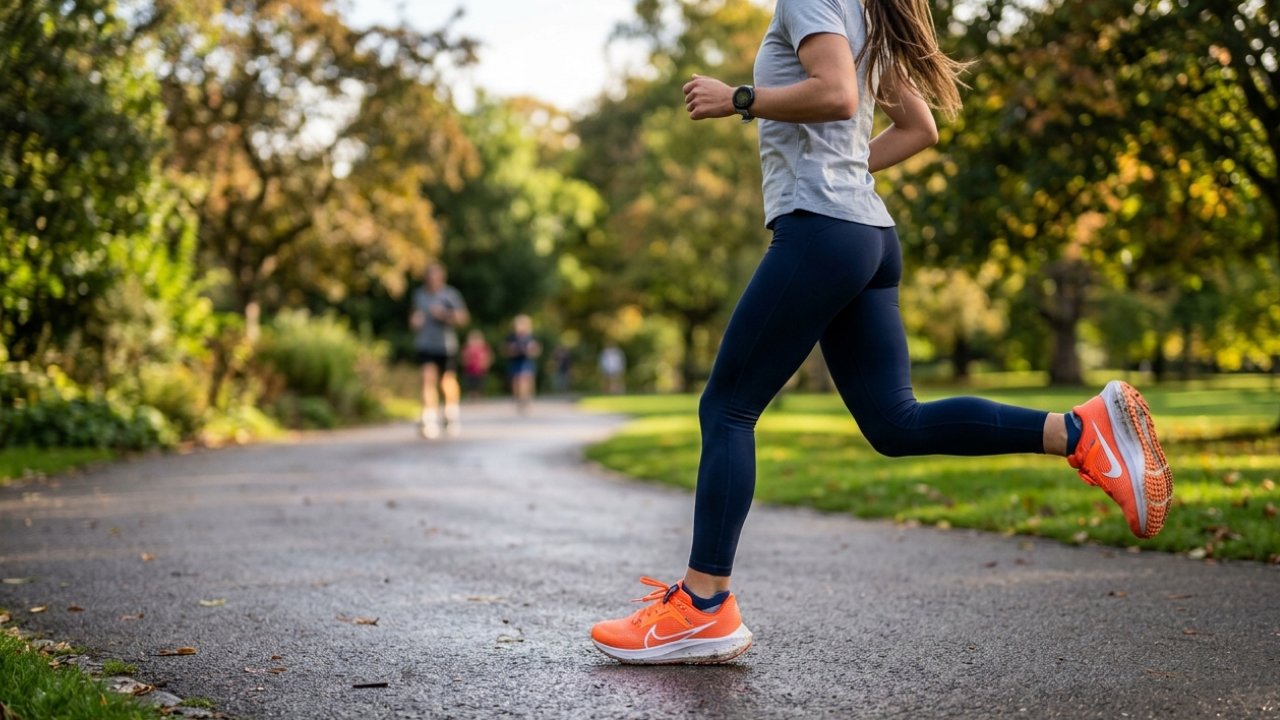
The average lifespan of most running shoes is from 300 to 500 miles of use, depending on a number of variables, which include:
- How you run
- Your body weight
- Type of terrain
- Material used for the midsole
- Frequency of training
You’ll likely start to see the need for new running shoes if you experience any of these signs:
- Cushioning has lost its shape
- The outsole wear is uneven
- There’s creasing in the midsole
- You develop new aches/pains
- Less comfortable than before
Keep in mind that even if the outsole looks new, the midsole may have lost its shock absorption feature after a period of time.
Read More: Casual Sneakers vs Running Shoes
Common Running Shoe Buying Mistakes
- Selecting Footwear For Appearances: Footwear fit and comfort should take precedence over style alone.
- Buying Inappropriate Sizes: Shoes that do not fit correctly (too small) can cause damage to your toenails and develop blisters.
- Disregarding Foot Type (Foot Type): Footwear selected without regard to pronation and arch type could potentially create an increased risk of body injury.
- Utilizing Road Footwear on Trail Terrain: Road footwear does not provide enough grip and/or protection to be suitable for use on technical trails.
- Replacing Footwear When They Are Worn Out: When shoes are worn out, they have very little support and cushioning, causing increased body stress while wearing them.
FAQs
How often should I replace running shoes?
In general, most runners will buy new shoes when they reach around 300 – 500 miles.
Are expensive running shoes worth it?
Though premium running shoes typically use advanced materials and cushioning technologies, in the end, comfort and fit are more important than the price.
Can I use running shoes for walking?
Although for the most part running shoes tend to be comfortable for a user who walks, if the user runs on a regular basis, the user should only use running shoes specifically designed for running.
Should running shoes feel tight?
The heel and midfoot should fit snugly around the foot, while allowing enough room for the toes.
What are the best running shoes for flat feet?
Most runners with flat feet will find stability shoes with a supportive midsole work best for them.
Final Thoughts
To find the best running shoes for you, it is important to consider four factors: The first is your foot type, the second is your pronation, the third is the type of terrain you run on most often, and those two things are the main factor used by experts to determine your best possible shoe type to fit your individual needs.
Next, after you’ve found out what shoe fits your foot, take your time and choose a shoe that will give you immediate relief, long-term durability, maximum support, and the proper level of stability for your particular type of running.
At the end of the day, picking the right pair of shoes will not only help you to get the most out of your time on the road, but it will also lower your chances of getting injured and allow you to reach your performance goals.
You Might Like to Read:
