
Mini Cart
While both kinds of shoes, ‘sneakers‘ and ‘joggers‘, can be described as being casual shoes used for exercise, they are actually built quite differently and are constructed to be used in different ways or perform differently. A lot of people confuse sneakers and joggers because of the overlap between the two, due in large part to new athletic shoes that are combining elements of style and performance.
Understanding the difference between sneakers and joggers will allow you to have a larger selection of stylish, comfortable, and durable footwear based on your lifestyle. It is also important to measure foot size correctly before buying any footwear because the right fit improves comfort, support, and overall performance, especially when comparing products from different sneaker brands.
What Are Sneakers?

Sneakers are a type of close-toe shoe that were originally for playing sports and performing physical activities. There are many sneaker styles and designs available in the marketplace, and they’ve grown in popularity as street wear and fashion.
Sneaker Characteristics
- Rubber outsole offering grip and durability
- An upper of materials such as leather, canvas, or synthetic materials
- Midsole cushioning to provide support
- Designed for support and comfort for long periods of time
Types of Sneakers
- Lifestyle Sneakers (fashion-driven)
- Running Sneakers (performance driven)
- Training Shoes or Sneakers (gym and workout shoes)
As sneaker popularity continues to grow, many sneaker styles have become fashionable and widely worn with jeans, joggers, and even casually styled semi-casual wear.
What are Joggers?
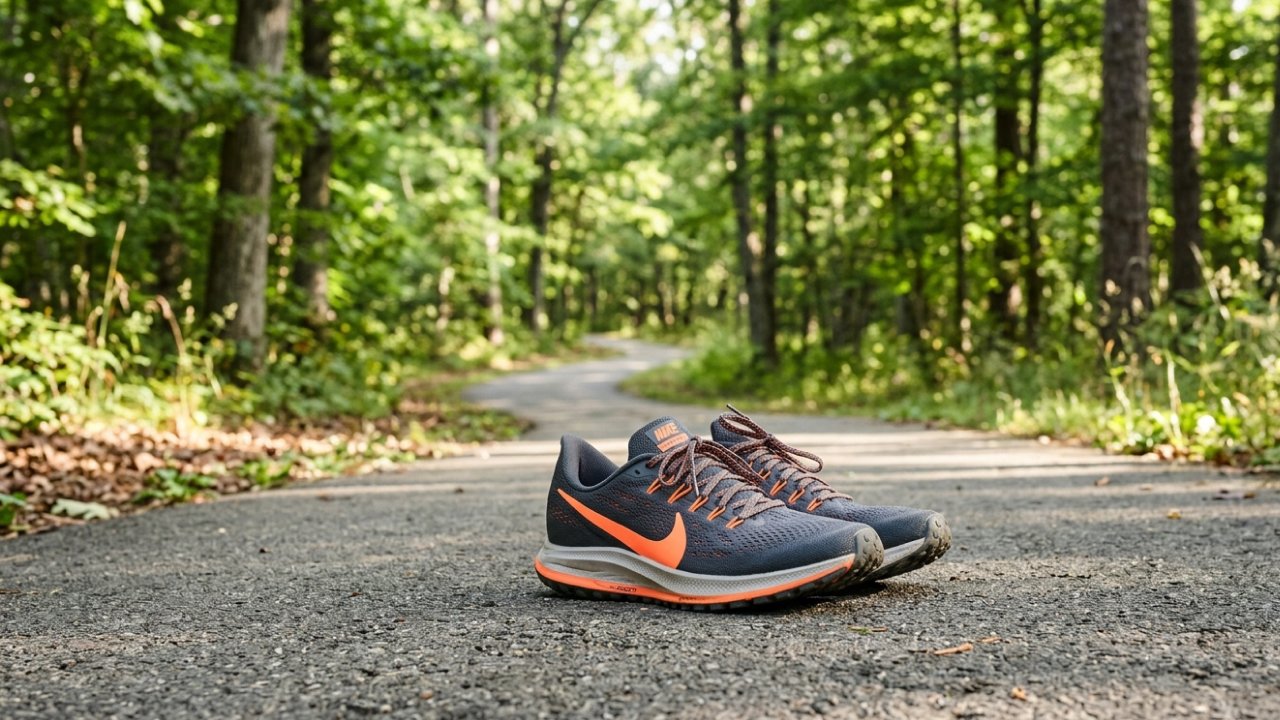
Joggers in footwear (commonly misidentified with jogger pants) are very lightweight and highly flexible running shoes for flat feet and other foot types, engineered to provide maximum comfort during physical activity.
Joggers are distinguished by:
- Being made from a highly breathable material (mesh, knit).
- A flexible air sole that allows for full natural movement of the foot.
- It is made with far less construction than a running shoe.
The primary purpose of designing joggers:
- For use while running
- For use while working at the gym or weight training
- For short-distance walking
- For light work or activity
Joggers provide the maximum comfort and flexibility while running, whereas sneakers provide the most durability and structure (i.e., durability in running, aerobics, sports, etc.).
Sneakers vs Joggers – Quick Comparison
| Feature | Sneakers | Joggers |
| Purpose | Casual + fashion + light sports | Running + gym + active movement |
| Weight | Heavier | Lighter |
| Structure | More structured | Flexible |
| Cushioning | Moderate to high | Soft but minimal support |
| Durability | High | Moderate |
| Style use | Fashion-forward | Sport-focused |
Design and Construction Differences
The primary difference between joggers and sneakers is the way they are constructed.
Sneakers
Sneakers have a multiple-layer construction that consists of:
- Heavy-weight outsole for traction
- Large thickness midsole for cushioning
- Large heavy-duty upper for support.
As a result, sneakers provide a comfortable and durable shoe for everyday use.
Joggers
Joggers have a single layer of material for the sole to give a very flexible and lightweight shoe. The upper is made of very lightweight materials with minimal reinforcements. This results in a shoe that allows the foot to flex more easily and naturally, making it a better choice for running or working out.
Material Used in Joggers vs Sneakers
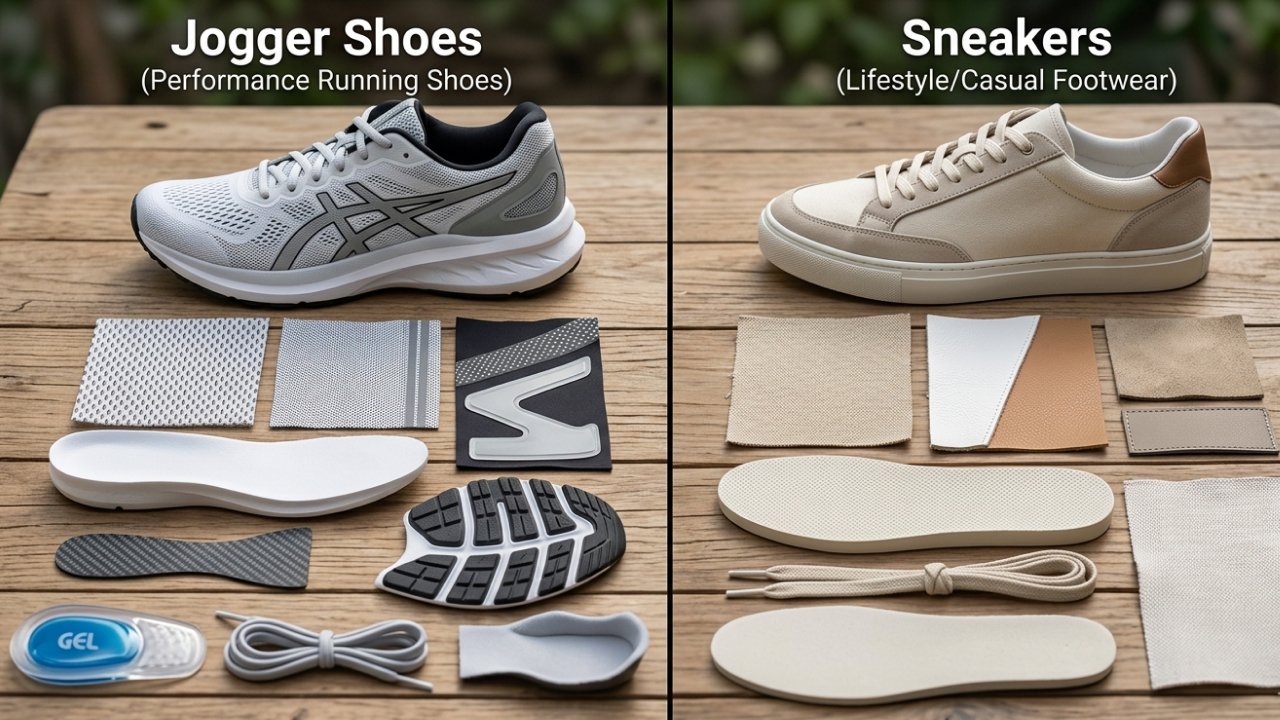
Sneakers
- Leather (durable and stylish)
- Canvas (breathable and casual)
- Synthetic materials (mixed performance)
Joggers
- Mesh fabric (maximum breathability)
- Knit materials (soft and flexible)
- Lightweight synthetics
The material difference affects how long they will last, how comfortable they are, and how you use them.
Comparison Between Comfort And Performance
Comfort is a very important part of selecting shoes.
Sneakers
- More cushioning allows longer-term comfort.
- Ankle and arch support.
- Designed for long walks.
Joggers
- Very light; allow the foot to move naturally.
- The best shoe for running and workouts.
If you want a shoe that allows for all-day comfort, then a sneaker would be the best option; if you want to be actively performing, then a jogger will be your best option.
Durability and Longevity
You can expect sneakers to last longer than joggers because sneakers usually construct with better materials and stronger construction with much thicker soles. It leads to a longer lifespan of everyday use as compare to shoes that were specifically for sport or running.
Joggers tend to be made based on a person’s needs for performance and flexibility. The following is true:
- They will wear out faster than sneakers
- They are not intend to withstand rough terrain or excessive use.
If your main priority is longevity, you should purchase sneakers instead of joggers.
Differences Between Styles and Fashions
Sneakers continue to remain the most popular item in the fashion industry and can be worn with a variety of bottoms, including:
- Jeans
- Jogger pants
- Shorts
- Casual outfits
Joggers’ footwear is limited to sporty looks.
- Clothing worn at the gym
- Clothing to run in
- Athleisure clothing
While joggers are an important performance-base item, sneakers have become a key part of modern life and are among the most versatile types of shoes available today.
When to Wear?
Wear Sneakers For
- Casual use
- Working in the office as it is casual
- Travelling or taking long hikes
- A few simple outdoor activities
Wear Joggers For
- Running and jogging
- Going to the gym to work out
- Training with sports
- At least one short physical activity
Can Sneakers and Joggers be Interchangeable?
When it comes to joggers and sneakers, there are definitely times when one can take the place of the other. Most casual or light activity types can be done in either style; using both as interchangeable items may provide extra comfort. These would include:
- A quick walk (with your dog).
- An out-and-about with friends.
- Running errands around town.
However, trying to perform with a jogger for an extended time period will negatively affect your overall level of comfort and potential performance. This statement can be made vice versa as well regarding the use of a sneaker during a long run or sprinting exercise.
Common Mistakes People Make

Many individuals select shoes simply by how they look, resulting in their shoes not being comfortable or performing well.
Here are some examples of incorrect shoe types:
- Fashion running shoes
- Jogging shoes for all-day use
- Shoes that do not provide support for the user’s feet
- Choosing shoes for style over utility
These common mistakes can reduce a shoe’s lifespan and harm foot health.
Frequently Asked Questions
Are joggers good for the gym?
Joggers are generally consider as a perfect fit for gym exercise due to their lightweight materials and flexible constructions.
Are sneakers better for daily wear?
Yes, in general, sneakers have a higher durability rating and provide superior support when used each day.
Which is more durable, sneakers or joggers?
Typically, sneakers are constructed to last longer, so they are typically more durable than jogging gear.
Can we use sneakers for running?
You can wear sneakers to go running, although joggers made specifically for running usually will provide better comfort and performance than worn-out sneakers.
Conclusion
The main difference between sneakers and jogger shoes is their intended use, and they both have specific advantages and disadvantages depending on your preference. If you are looking for shoes primarily for style, durability and everyday comfort, then you will want a pair of sneakers. If you are looking to go running or use your shoes primarily for working out, then joggers are going to offer you a better performance-based shoe.
For the majority of people, wearing sneakers as a casual shoe will be the best choice. However, for those of you interested in having more than one option for fitness-related activities, you would be able to choose between wearing sneakers or joggers, depending on what activity you are doing on that day.
You Might Like to Read:
