
Mini Cart
There is more to shoes than just needing a pair; they also say something about who you are and your sense of style. Today, there are different types of shoes available, with more being added all the time: from performance athletic shoes to dressy formal shoes.
If you want to buy a pair of shoes that will work well for you, understanding the types of shoes that exist will help. This complete guide to shoe types will include information on each major shoe type, typical uses for each shoe type, and how to choose the best shoe for any situation.
Global Influence on Shoe Styles
Across the globe, cultures, climates, and traditions shape the types of shoe styles created in different regions.
- Asia: Elaborately embroidered and handmade shoes
- Europe: Elegant formal styles of shoes
- Africa: Brightly colored and handmade sandals
- North/South America: Shoes that are durable and practical
- Middle East: Luxurious and ornately decorated slippers
All of these factors/fashion trends continue to influence modern shoe design worldwide and even inspire modern sneaker brands.
Main Categories of Shoes
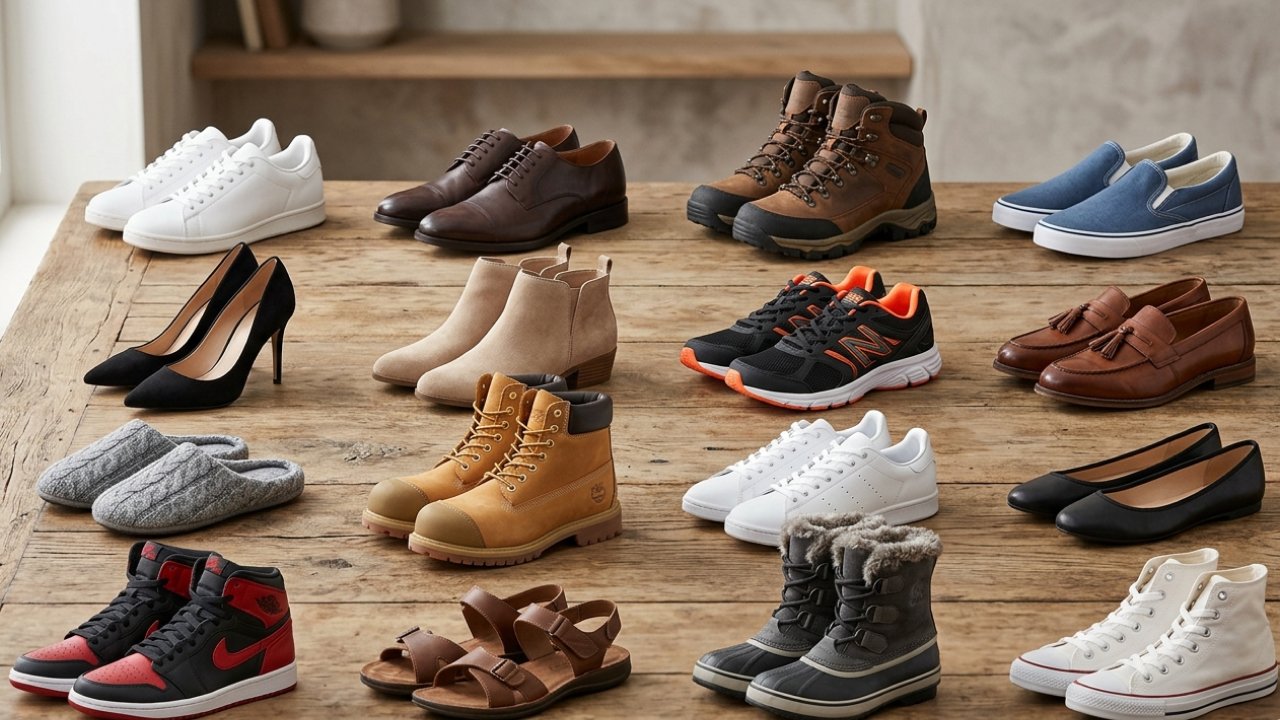
There are a variety of shoe types, including:
- Athletic Shoes – Made primarily for use in sports or exercising
- Formal Shoes – Shoes worn at places such as work or in formal situations
- Casual Shoes – Shoes worn for everyday use and comfort
- Boots – Shoes used to protect your feet and last a long time
- Sandals – Shoes worn on hot days when you want only some covering for your feet
- Specialty Shoes – Shoes made for specific purposes
Types of Shoes
Athletic/Sport Shoes
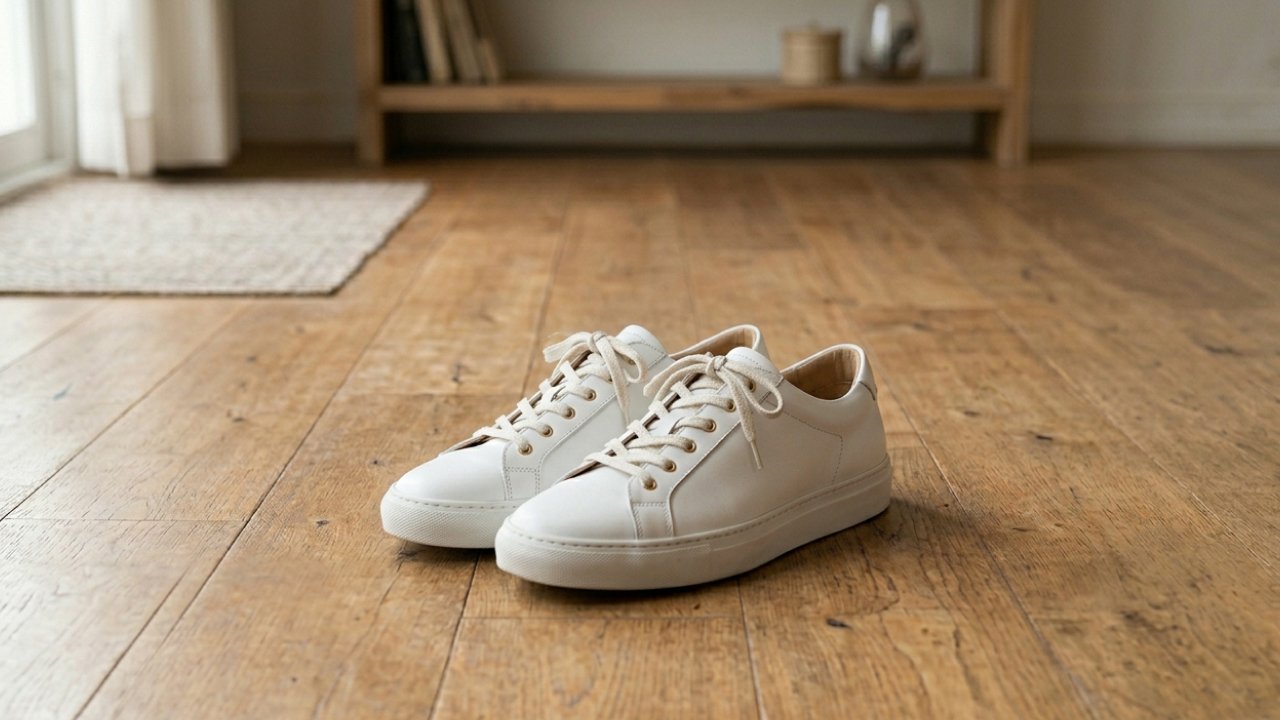
Athletic/Sport shoes are shoes designed to provide support, comfort, and performance while participating in athletic activity/playing sports, helping to support your ankles during exercise.
- Running Shoes: Running Shoes are lightweight, providing cushioning, and are ideal for either jogging or everyday use.
- Sneakers/Trainers: Sneakers/Trainers can be used for both casual and athletic purposes.
- Basketball Shoes: Basketball Shoes provide sufficient support for the ankles while providing good traction for quick/fast movements.
- Soccer Cleats/Football Shoes: Soccer Cleats/Football Shoes have studs on the bottom to give traction on grass fields.
- Tennis Shoes: Tennis Shoes are made for sliding side to side and provide stability when on the court.
- Golf Shoes: Golf Shoes are made to provide balance and traction when making a golf swing on the course.
- Cycling Shoes: Cycling Shoes are designed to help transfer energy effectively while you are pedaling.
- Skate Shoes: Skate Shoes have flat soles and are durable enough to skateboard in.
- Climbing Shoes: Climbing Shoes fit snuggly and have excellent traction for climbing on rocks.
- Wrestling Shoes: Wrestling Shoes are lightweight, providing excellent traction when wrestling on the mat.
Formal/Dress Footwear
Formal shoes suit classy and business settings.
- Oxfords: The best choice for formal shoes.
- Derby: Open lacing makes for more room when put on and is less constricting.
- Brogue: A decorative shoe with perforated detailing.
- Loafer: An easy way to combine both casual and formal attire.
- Monk Strap Shoes: Closed at the top by buckles rather than laces.
- Wingtip Shoes: Have a W on the toe.
- Cap-Toe Shoes: Feature a stitched toe-cap to enhance style.
- Wholecut Shoes: Made of a single piece of leather to create a clean line.
- Spectator Shoes: Two-tone shoes with contrasting designs
- Court (American) Shoes: Classic shoes that look good in most business environments.
- Tuxedo Shoes: Glossy in finish for wear during formal evening events.
Heels & Women’s Fashion Shoes
These shoes focus on style, height, and fashion appeal.
- Platform Heels: Thick soles reduce strain on the feet.
- Slingback Heels: Open back heel with a strap fastening around the ankle.
- Peep-Toe Heels: Heels with an opening at the toe.
- Espadrille Wedge Heels: Casual summer ankle height shoe made with a rope sole.
- Ballet Flats: Low-to-the-ground shoe worn daily.
- Mary Jane Shoes: Classic shoes with a strap over the center of the foot.
- Mule Shoes: Backless shoes without fastenings.
Boots (All Types)
All types of boots for protection, durability, and style
- Ankle Boots: Ankle high boots can be worn with almost any style.
- Chelsea Boots: Boots that can be slipped on with an elastic band around the sides.
- Combat Boots: Rugged-looking, sturdy boots built to last.
- Steel-Toe Work Boots: Boots designed to provide safety in the Industrial Workplace.
- Hiking Boots: Sturdy boots that provide grip and stability while walking outdoors.
- Cowboy Boots: Traditional style boots, typically high-topped, with pointed toe and/or ultimately western styling features.
- Riding Boots: Tall riding boots are typically worn while riding horses.
- Motorcycle Boots: Boots designed for motorcycle riders provide protection.
- Wellington/Rain Boots: Waterproof boots for when there’s wet ground to wade through or water to walk over.
- Snow Boots/Winter Boots: Insulated boots for cold-weather wear.
- Desert/Chukka Boots: Lightweight boots worn for casual wear.
- Platform Boots: Boots with thick soles that give the impression of additional height.
- Thigh-High Boa: Establish a design style by creating a custom design.
Casual Shoes
Refers to the most common everyday footwear (i.e., the most popular style).
- Canvas Shoes: Lightweight & airy material used in the construction of these shoes.
- Deck Shoes: Created for traction on wet flooring surfaces.
- Moccasin Shoes: Soft, cushy shoes that you can slip onto your foot.
- Slip-On Shoes: Easy to use due to the solid rubber sole.
- Espadrille Shoes: Lightweight shoes suitable for summer activities.
- Mules: Backless, fashionable, and convenient shoes.
Sandals & Summer Shoes
Ideal for warm weather and/casual wear.
- Flip-Flops: Basic open footwear.
- Slides: Easy On/Off sandals with one strap.
- Gladiator Sandals: Stylish strappy designs.
- Slippers: Comfortable home wear.
Specialty & Functional Shoes
Shoes designed specifically for specific tasks/professions:
- Cleats: Sports shoes that have studs for better athletic performance.
- Climbing Shoes: Shoes used when climbing rocks that help give you better grip on the surface when climbing.
- Work Safety Shoes: Shoes that give protection when working in hazardous areas/conditions.
- Medical Clogs/Service Clogs: Comfortable shoes meant for use when on your feet for long periods of time.
Frequently Asked Questions
Q: How many types of shoes are there?
Footwear can be subdivided into numerous types; however, footwear has 5 main groups, which include only: athletic, formal, casual, boot, and sandals.
Q: What are the most popular shoe types?
The most popular footwear styles include sneakers, boots, and loafers.
Q: What shoes are best for daily wear?
Sneakers and dressy/casual shoes provide optimal comfort for everyday wear.
Final Thoughts
Every day life includes wearing shoes which function, provide fashion, and give people an individual expression. Because there are so many types of shoes to choose from, it is important to understand the purpose and style of each type so you can make informed choices. Before making a purchase, it’s always a smart idea to measure shoe size to ensure the perfect fit and maximum comfort.
As with all footwear (formal or sneakers), each pair of shoes has a story behind it. Choosing the correct pair of shoes with confidence and style will make you a better person.
You Might Like to Read:
)