
Mini Cart
Flat feet are one of the most common foot types for runners. Unfortunately, they are often misinterpreted. Some runners do not have any problems; however, lots of other runners have pain, instability, or injuries while running if they are not wearing the right running shoes for flat feet. Choosing the proper type of shoes can have a huge impact on how comfortable you will be, how well you perform, and help prevent injuries for a long time.
In this guide, we will explain how flat feet affect running biomechanics and look at what types of features to look for in your shoes, as well as which models are currently available that offer you the best combination of support, stability, and cushioning.
What Are Flat Feet?
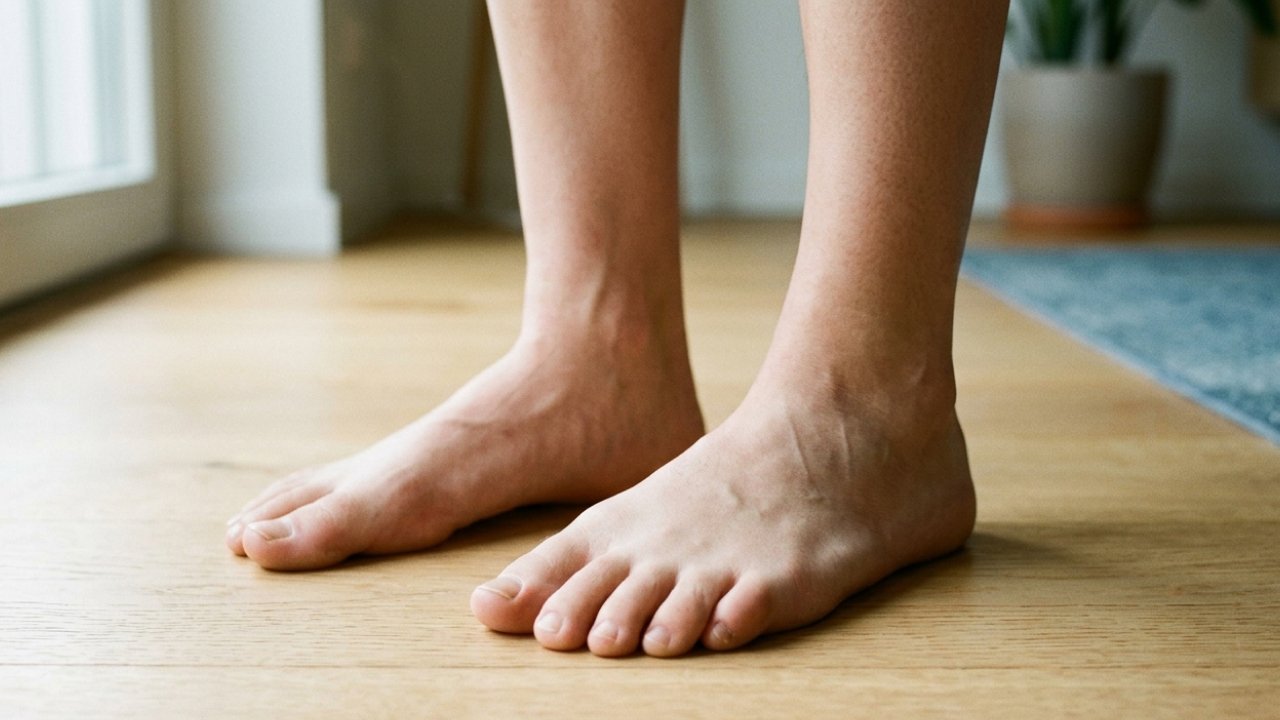
Fallen arches or flat feet mean the arch of your foot has fallen or is pulled down to below the normal level, with very little, if any, space between the ground and the sole of your foot. Some people are born with flat feet, while others develop fallen arches at some time in their life due to age-related wear and tear, previous injuries, or simply from being overweight and applying more than the normal amount of force on their feet.
Flat feet can be either flexible (the arch will show when not bearing weight) or rigid (the arch will never show, even if you are moving). As an example, an individual who has flat feet and runs will often run with overpronation – the foot rolls inward during every step.
Understanding Flat Feet and Overpronation
There is a strong correlation between flat feet and overpronation, which describes the excessive inward rolling of the foot after impacting the ground while running. A small amount of pronation is normal, but too much inward rolling of the foot places additional stress on the lower body.
Overpronation is especially relevant for runners because it directly impacts how forces are distributed throughout the entire body during each stride.
Common Signs of Flat Feet
No matter where you are in an annual running season (high school, collegiate, or adult), here are signs to look for when determining if a flat-footed runner has overpronated:
- Shoes are being worn out quicker than expected on the inner edge
- Experiencing foot fatigue during short runs
- Having painful sensations in either the arches, ankles, or heels
- Knees are collapsing inwards while running
- Having difficulty keeping one’s balance on bumpy surfaces
If you notice any of the above-described symptoms persisting, you may need to purchase new shoes with more support/stability.
The Link Between Flat Feet and Running Injuries
Having flat feet doesn’t mean that you will automatically sustain an injury, but having flat feet increases your chance of developing certain injuries due to altered biomechanics. The following are conditions that have an increased likelihood of developing for the flat-footed runner:
- Plantar fasciitis
- Shin splints
- Knee pain
- Achilles tendon strain
The correct type of shoe is critical in helping to alleviate these injuries by properly aligning the foot and improving the foot’s ability to absorb shock.
Do All Flat-Footed Runners Need Stability Shoes?

This is not always true. While there are runners with flat feet who have an excellent natural running biomechanical movement pattern (no over-pronation), there are many runners with flat feet who benefit from wearing footwear designed to provide supportive structure or stabilization to their bodies when running.
To determine which category (neutral, stability, or motion control) of footwear will work best for your individual running style, a gait analysis should be conducted.
What to Look for in Running Shoes for Flat Feet
To select shoes correctly, you need to consider features that will provide you with both support and comfort.
Stability vs Neutral Shoes
Runners who have excessive inward roll of the foot will require stability shoes. Stability shoes provide these runners with supplemental support from features such as medial posts or guide rails to control over-pronation.
On the other hand, neutral shoes may be more appropriate for runners with efficient natural gait patterns and without any major alignment problems. Stability shoes will generally provide a more supportive and safe solution for flat-footed (over-pronating) runners.
Arch Support Features
Flat-footed people require proper arch support and structural reinforcement that is not too stiff in their footwear. To determine an adequate amount of arch support in your selected footwear, look for shoes that have:
- A contoured footbed
- Built-in arch reinforcement
- Compatible with orthotics.
Midsole Technology
The cushioning and shock absorption are provided by the midsole. Various foams and gel systems have been developed that absorb most of the impact stress and offer more comfortable long-distance running. Some examples of these technologies include: EVA foam, gel to cushion impacts, and responsive energy-return foams.
Heel-to-Toe Drop
The height difference from heel to forefoot is called heel-to-toe drop. For example, a higher drop between 8-12 mm will generally be better for heel strikers, while a lower drop between 0-6 mm will encourage a more natural way to run but might require some adjustment or adaptations from the runner. A moderately or high dropped shoe will help to provide stability for most flat-footed runners.
Fit & Width Options
Finding an appropriate fit is a must. For flat-footed runners, the toe boxes should be wide enough to ensure no crowding or discomfort. Many leading sneaker brands offer a variety of width options (narrow, standard, wide, extra-wide) to obtain the perfect fit for you.
Best Running Shoes for Flat Feet
The following running shoes offer the support, cushioning, and stability that flat-footed runners need for a comfortable running experience.
1. ASICS Gel-Kayano – Best Overall Running Shoe
Regarded as one of the best stability running sneakers amongst runners who have flat feet, the ASICS Gel-Kayano is a reliable shoe that offers a perfect combination of cushioning, structure, and long-distance comfort in a well-rounded solution.
Key Features
- Dynamic DuoMax support for stability
- Gel cushioning for shock absorption
- Highly breathable engineered mesh upper
- Durable, high-density foam
Pros
- Superior stability for people who overpronate
- Outstanding comfort with extensive cushioning for long-distance running
- Durable construction
- Smooth heel-to-toe transfer
Cons
- Slightly heavier than many neutral sneakers
- Relatively high price point
Who Should Buy It?
Those with moderate to severe overpronation who are in need of the highest level of support during daily training and during long-distance runs.
2. Brooks Adrenaline GTS – Best Stability Running Shoe
The Brooks Adrenaline GTS is an established choice among users of stability footwear, thanks to its GuideRails support system and smooth ride.
Key Features
- GuideRails holistic support system
- DNA LOFT cushioning
- Breathable textile upper
- Smooth transitional construction
Pros
- Excellent control of motion for over-pronation
- Soft but stable cushioning
- Comfortable for everyday use
- Great longevity
Cons
- Not the lightest option
- The cushioning may feel too soft for speed work.
Who Should Buy It?
Best for runners seeking a balanced stability shoe for everyday training, walking, or distance running.
3. HOKA Arahi – Best Lightweight Stability Shoe
The HOKA Arahi has become known as an excellent choice because it provides a stable solution without the bulkiness of conventional supportive footwear.
Key Features
- J-Frame is a support technology
- Lightweight foam
- Meta-Rocker shape provides smooth transitions
- Breathable upper
Pros
- Lighter weight compared to traditional supportive shoes
- Excellent foaming supports the runner’s joints
- Smooth and effective running experience
- Trendy appearance
Cons
- Not as stable as conventional heavy supportive shoes.
- May not work for severely overpronate feet
Who Should Buy It?
Designed for those with average to moderate weight and flat feet who require stability without the addition of weight.
4. Saucony Guide – Best Everyday Training Shoe
The Saucony Guide is an all-purpose stability shoe that combines comfort, support, and responsiveness.
Key Features
- PWRRUN cushioning
- TPU stability frame
- Lightweight Engineered Mesh Upper
- Flexible Forefoot
Pros
- Good balance of cushioning and responsiveness
- Great for daily training
- Lightweight versus typical stability shoes
- Smooth transitions from heel to toe
Cons
- Not as cushioned as premium models
- Not recommended for ultra-long distances
Who Should Buy It?
Any runner looking for a reliable everyday trainer with moderate stability support.
Comparison Table of the Best Running Shoes for Flat Feet
| Shoe | Stability Level | Cushioning | Weight | Best For | Available Widths | Price Range |
| ASICS Gel-Kayano | High | High | Medium-Heavy | Long-distance stability | Multiple | High |
| Brooks Adrenaline GTS | High | Medium-High | Medium | Daily training | Multiple | Mid-High |
| HOKA Arahi | Medium | High | Light | Lightweight stability runs | Limited | Mid-High |
| Saucony Guide | Medium | Medium | Light-Medium | Everyday training | Standard/Wide | Mid |
Common Running Injuries Associated with Flat Feet
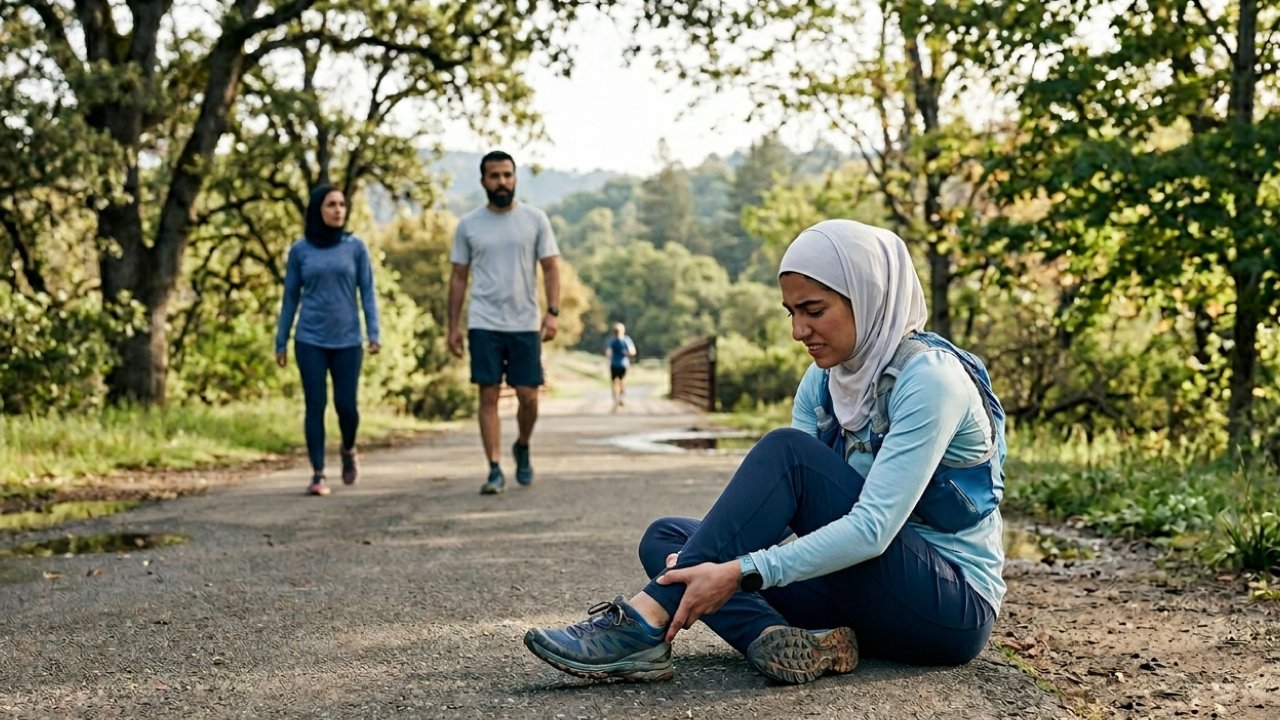
Overuse injuries can be caused by support systems not being in place for flat feet.
- Plantar Fasciitis: When the plantar fascia becomes inflamed, it can cause stabbing heel pain, especially in the morning or after running.
- Shin Splints: If too much stress is put on the shinbone and the surrounding tissues, shin splints will develop, often because of a misaligned foot.
- Knee Pain: Excessive inward rotation of the knee when overpronation occurs creates a lot of pressure on the knee joint; so over time, this will result in pain or an injury.
- Achilles Tendon Problems: The mechanics of the foot are mostly altered in flat-footed individuals, so this causes excessive strain to the Achilles tendon, which can result in tightness or inflammation.
Frequently Asked Questions
What are the best running shoes for flat feet?
Examples of shoes that offer stability have been highlighted, such as ASICS Gel-Kayano, Brooks Adrenaline GTS, HOKA Arahi, and Saucony Guide.
Are stability shoes better for flat feet?
In most cases, yes. Stability shoes help prevent over-pronation and provide better alignment.
Can flat-footed runners wear neutral running shoes?
Yes, but as long as they do not over-pronate. A thorough gait analysis is advised before selecting neutral footwear.
Is arch support necessary for flat feet?
Yes, provides a structure where pressure can be distributed evenly across the entire foot, resulting in less tensile stress on the foot/lower leg.
Which running shoe offers the most cushioning for flat feet?
Of the models mentioned, ASICS Gel-Kayano and HOKA Arahi have been noted to be among the best in regard to maximum cushion while also offering some stability.
How often should runners with flat feet replace their shoes?
500-800 kms (approx) or some other period may depend on several variables such as running style, weight of the person, and overall strength of the shoes.
Final Verdict
Your type of foot and running style will ultimately determine which shoe is correct for you to use. If you need maximum stability and cushioning, then the ASICS Gel-Kayano is probably your best option. If you would like daily shoes with good, balanced support, then try the Brooks Adrenaline GTS.
The HOKA Arahi is a great choice if you are looking for a lightweight, stable shoe. The Saucony guide is a good choice if you want a shoe that will allow you to do many different types of training every day. By investing in a high-quality stability shoe, you are choosing one of the best types of shoes for flat-footed runners for preventing injuries and keeping your feet comfortable for a long time.
Read More:
