
Mini Cart
There’s nothing more fun than getting yourself some new kicks! New sneakers, dress shoes, boots, and running shoes can elevate your outfit and add extra comfort to your life right out of the box. Unfortunately, when many people put on their new shoes for the first time, they discover that their shoes feel very stiff/tight/uncomfortable, which is why it’s important to properly break in new shoes.
While it can be tempting to wear a pair of painful shoes all day’s work, if you can learn how to properly break in your shoes, you can help prevent blisters, foot pain, and discomfort. In doing so, you’ll soften the material of the shoe and let it conform to your feet as they get warm.
Through this guide, you’ll learn the safest and most effective ways to break in your shoes, stretch out tight areas of your shoes, and help avoid common problems associated with shoes (such as rubbing and blisters).
Why Breaking in New Shoes Matters
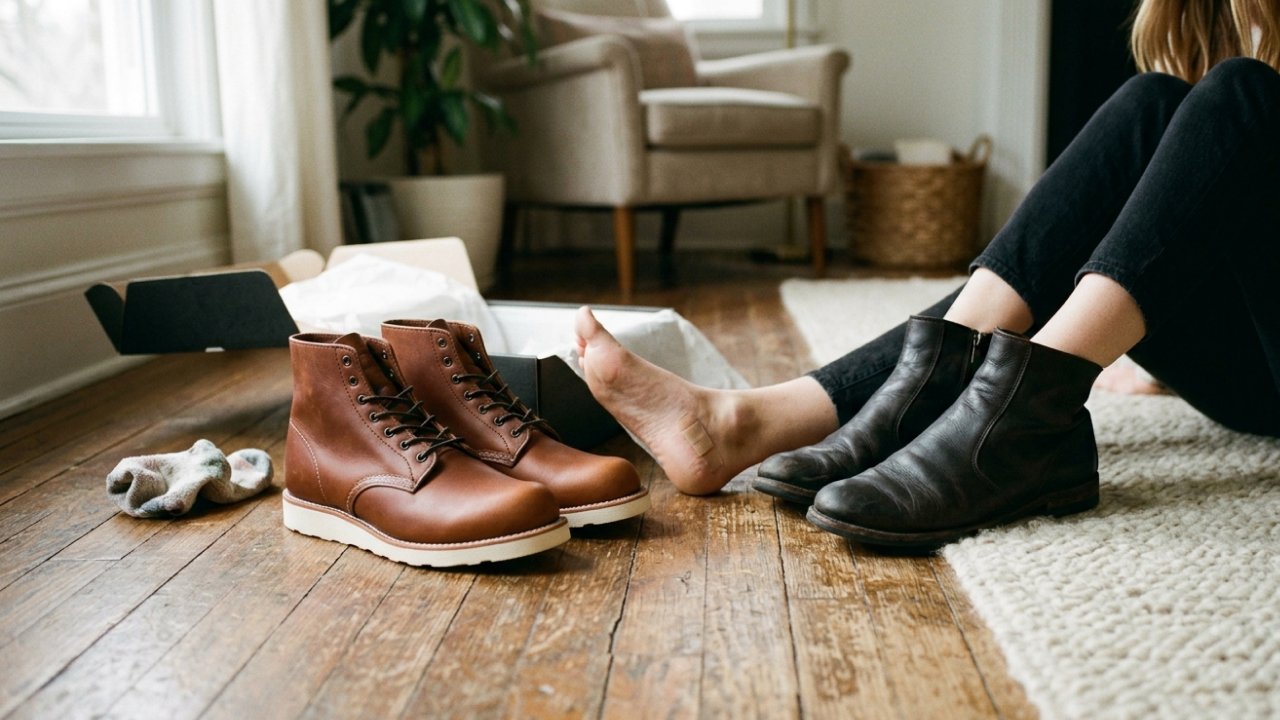
Often, when you put new shoes on, they are still adjusting to your feet, so you may experience stiffness from the materials (leather, suede, synthetic) that will eventually mold to your walking pattern.
Here are some of the benefits of breaking in shoes:
- Increased Comfort Overall
- Decreased Friction and Rubbing
- Decreased Risk of Blisters
- Allows the shoe to fit your foot shape
- Increased Support While Walking
- Increased Life of Footwear
- Decreased Risk of Discomfort in Your Feet and/or Ankles
Some shoes are comfortable as soon as they are put on, but most high-quality footwear benefits from an extended break-in period.
Signs Your New Shoes Need Breaking In
Not all shoes that feel uncomfortable are an improperly sized pair. A few shoes may just require some time to adapt and soften their materials. Here are a few examples of things to look for that would indicate that your new shoes require some breaking in:
- The upper material or the soles of the shoes appear to be stiff and difficult to flex.
- Light rubbing at your heel, which happens frequently with a new pair of shoes.
- A slight amount of pressure across your toes will ease once the material stretches over/in to fit your feet specifically.
- Shoes may initially feel snug across the sides of your feet until these materials loosen slightly with use.
- A small amount of heel slip when you first put the shoe on may disappear as it conforms to your foot fittingly.
Make Sure Your Shoes Fit Properly First
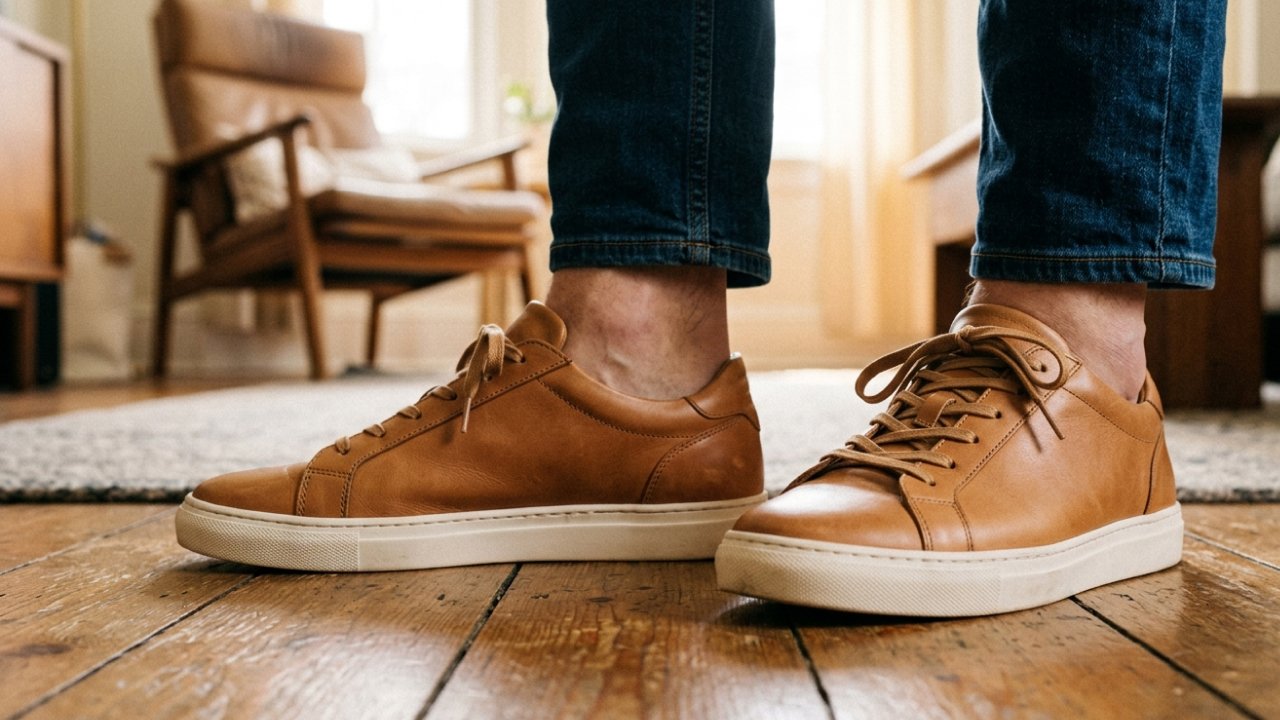
Breaking in new shoes can be a nice way to get comfortable wearing them, but simply breaking in shoes that are not the correct size will not make them comfortable to wear.
Signs Your Shoes Are Too Small
- Cramped toes
- Consistent pressure along the sides of your feet
- Feeling numb after walking
- Feeling very uncomfortable only minutes after putting them on
Signs Your Shoes Are Too Big
- Too much heel slip
- The foot slides to the front of the shoes
- No support while walking
If your shoes display any of these symptoms, you may want to consider exchanging your current pairs for larger or smaller pairs.
How Long Does It Take to Break in New Shoes?
The total time to become comfortable in a pair of shoes varies by shoe type and material, and how much you wear them. When considering how long it will take to wear in your shoes, it’s important to remember that various types of shoes have different break-in periods. Here’s a general guideline:
- Canvas footwear: 1 to 7 days
- Trainers: 1 to 2 weeks
- Joggers: A few workouts
- Leather footwear: 2 to 4 weeks
- Leather boots: Up to 4 weeks
Generally speaking, wearing your shoes periodically (rather than wearing them for several hours straight each day) allows for a faster break-in period.
Step-by-Step Guide
- Wear your shoes indoors for 20-30 minutes so that the shoes can begin to adapt to your feet without putting them through a lot of friction.
- As you find your shoes becoming more comfortable, start increasing the time you wear them by 15-30 minutes every day. Gradually increasing the time helps reduce blisters or sore spots.
- To provide a little extra cushioning for your foot and gradually stretch the shoe, wear thick socks when you break in your shoes. This works especially well for leather shoes, boots, and sneakers.
- Proper lacing is very often overlooked; when your shoe is tied too loosely or too tightly, you risk unnecessary rubbing or creating pressure points on your foot. Properly adjust the laces so that the shoes feel secure but do not restrict your foot from moving.
- If possible, alternate between your new shoes and your comfortable shoes to give your feet time to recover while also continuing to break the shoes in. This method is particularly beneficial in preparing shoes for everyday wear.
Best Ways to Stretch New Shoes
At times, there may be areas that stay tight with repeated wear. Gentle methods can help stretch those areas.
Use a Shoe Stretcher
A shoe stretcher works to safely stretch out specific areas of the shoe without damaging it. Generally, this works effectively for:
- Leather shoes
- Formal shoes
- Boots
- Some sneakers
Apply Stretch Spray
Stretch sprays help soften the material of shoes so they can be easily expanded in certain areas. Simply spray the area you want to stretch, put on the shoes, and allow them to dry.
Try the Hair Dryer Method
The hair dryer method can work to soften leather shoes by following these steps.
- Put on thick socks and wear the shoes.
- Use a hairdryer on a low setting.
- Concentrate on heating the area that is too tight for 20 to 30 seconds.
- Walk around in shoes with a heated area until the shoe cools.
DO NOT apply too much heat; you could damage any adhesives or shoe material.
Use the Freezer Method
One popular method for stretching out tight toe boxes (areas on the front of the shoe) is freezing the shoe.
- Place water into 2 sealable plastic bags and seal.
- Put the bags of water into the shoes.
- Put the shoes into the freezer overnight.
- As the water freezes, it will expand and stretch the shoe material.
You should be careful not to fill the bags with too much water or stretch too much past the original fit of the shoe.
How to Prevent Blisters While Breaking in Shoes
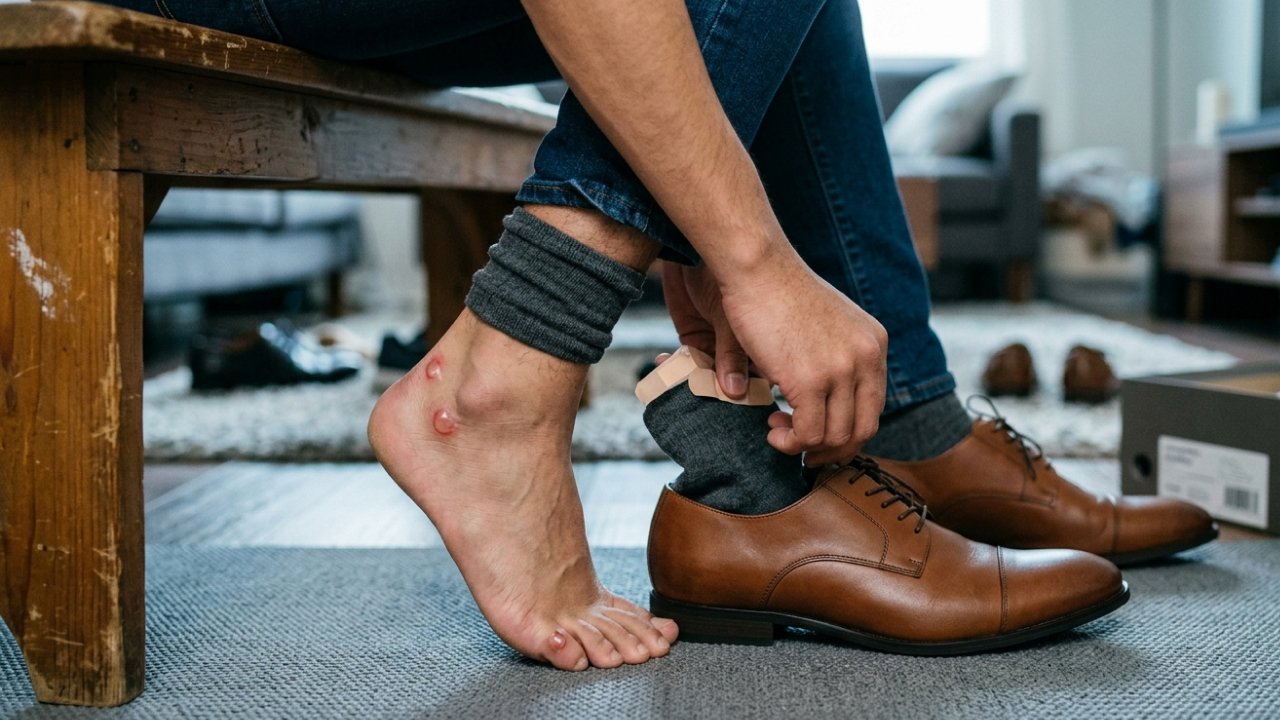
One of the biggest complaints about new sneakers is developing blisters; thankfully, they can often be avoided in the first place.
Use Blister Pads
Using blister pads can help to create a barrier between your foot skin and the shoe by providing a protective layer. They tend to work best on the heels and toes of your foot.
Use Petroleum Jelly
Applying petroleum jelly to these areas prior to putting on your shoes can help to reduce friction in those areas.
Wear Moisture-Wicking Socks
Moisture-wicking socks help to keep your feet dry by allowing moisture to pass through and reducing the friction caused by wetness.
Use Heel Cushions
Using heel grips, protector pads, heel pads, and heel cups will assist in helping to reduce the amount of movement that occurs within the shoe and, therefore, lower the chances of rubbing.
Identify Hotspots Early
Pay attention to any areas of discomfort in your first few days wearing your new shoes. By treating them early, you may help to avoid getting blisters in those spots.
How Long Does It Take to Break in New Shoes?
The break-in period varies depending on the material and shoe type.
| Shoe Type | Estimated Time |
| Canvas Shoes | 1–7 Days |
| Sneakers | 1–2 Weeks |
| Running Shoes | Several Runs |
| Leather Shoes | 2–4 Weeks |
| Leather Boots | Up to 4 Weeks |
| Heels | 1–2 Weeks |
People who wear their new shoes regularly for short periods often achieve faster results than those who try to wear them all day immediately.
Common Mistakes to Avoid
The process of breaking in a pair of shoes can take some time; however, many people want to get it done fast and end up damaging their shoes and injuring themselves because they made some mistakes along the way.
Here are some common mistakes to avoid when breaking in new shoes:
- Wearing New Shoes All Day Right Away: Wearing shoes for too long can lead to major blisters; blisters are painful.
- Going Without Socks: Socks protect against blisters and can keep your foot in place while breaking in the shoe.
- Using Heat: Too much heat can weaken glues and the materials used to construct the shoe.
Frequently Asked Questions
How long does it take to break in new shoes?
The time it takes to completely break in your shoes can range anywhere between 1 and 4 weeks, depending on the shoe type/material and how often you wear them.
Can shoes be stretched permanently?
Leather shoes can typically be stretched out permanently, but synthetic shoes tend to have less give than leather.
How do I stop new shoes from rubbing my heel?
To reduce friction/rubbing with new shoes, use heel grips, blister pads, thick socks, or petroleum jelly.
What is the fastest way to break in shoes?
The easiest/quickest way to break in shoes includes wearing them with thick socks, using a stretcher, and increasing the length/frequency you wear them.
Can I break in shoes without wearing them?
Yes, you can break shoes in without wearing them by using clothes stretchers and specialty sprays & conditioners to condition or stretch them; however, the best method remains ‘by wearing’.
Final Thoughts
Knowing how to properly break in new shoes can help you avoid discomfort and will help keep your shoes in good condition longer. You are most likely breaking in your shoes with either leather boots, sneakers, running shoes, heels, or canvas shoes, and patience is essential for successful shoe breaks.
As mentioned previously, it is important to begin slowly and protect your feet from getting blisters due to rubbing from your shoes. Many times, safe shoe stretching methods are an excellent way to prevent discomfort during a shoe break-in. Once you use a patience-based shoe break-in process, you will find that within a short period of time, your new shoes will provide the comfort, support, and style that you expected when originally purchasing your shoes.
You Might Like to Read:
