
Mini Cart
In contemporary footwear culture, sneakers have become an everyday essential due to their ability to combine comfort, practicality, and aesthetics. Whether for fashion, workout, sports, or everyday use, finding the right sneaker will make a difference in your comfort and foot health. Understanding what to look for when buying sneakers is essential, as the wide range of styles, materials, and features available can make it seem impossible to find the perfect sneaker.
Moreover, a quality sneaker should provide more than just a good appearance. It should fit correctly, provide enough support for activities you participate in, and last over time. Sneakers that do not fit or do not provide proper support will leave you in discomfort and fatigue, and could eventually lead to foot-related problems.
Before making a decision, understand what separates a high-quality sneaker from an average one. Fit, cushioning, materials, and traction all affect performance. These features also determine comfort throughout the day.
Before choosing a pair, think about what to look for when buying sneakers, starting with their intended purpose. Running shoes provide cushioning and support, while casual sneakers prioritize everyday comfort and style. Selecting sneakers by purpose ensures better performance, comfort, and durability.
Determine the Purpose of Your Sneakers

Before choosing a pair, think about what to look for when buying sneakers, starting with their intended purpose. Running shoes provide cushioning and support, while casual sneakers emphasize being comfortable and stylish enough for everyday use. Selecting sneakers according to their function ensures that they will perform as expected, be comfortable to wear, and last long enough for you to receive your money’s worth out of them.
Everyday Casual Wear
When looking for an everyday casual sneaker, consider one that is comfortable for daily activities and long periods of wear. Look for sneakers made from lightweight material, breathable fabric, and that can go with multiple types of outfits.
Fitness & Running Sneakers
When using sneakers for fitness or running purposes, you should look for features that offer cushioning, shock-absorbing benefits, and stability in order to reduce the impact that your feet have when hitting the ground, while also enhancing your overall comfort level.
Sports-Specific Sneakers
Each type of sport has its own unique footwear requirements. For example, basketball, tennis, and training sneakers all provide various features to help support the specific movements and demands required by each sport.
Fashion Lifestyle Sneakers
Fashion lifestyle sneakers put more of an emphasis on aesthetics and style rather than on absolute comfort; however, choosing the right design is in no way impossible. You should be able to find a sneaker that fits your personal style, but still provides enough comfort for everyday use.
Prioritize Comfort and Fit
Consider comfort when deciding what to look for when buying sneakers. A stylish pair may look great, but it won’t be enjoyable to wear if it doesn’t fit your feet properly.
Finding the Correct Shoe Size
Every sneaker brand has a different size. A great first step in buying a shoe is to measure your feet, then look at the specific size chart the manufacturer provides to determine which shoe size is best for you.
Checking Toe Box Space
All of your toes need ample room to move comfortably in their natural way. It is important for your toes to have room in the front part of the shoe because a small toe box will cause discomfort and additional pressure on the front of your foot.
Heel and Arch Support
A pair of sneakers that provides ample heel and arch support will prompt a more comfortable fit and help maintain proper foot alignment. This is especially important if you want to stop foot pain from standing during long workdays.
Trying Sneakers Before Purchase
Anytime you have the opportunity to go near a pair of sneakers to try them on, it is highly recommended that you do so and walk in them prior to deciding to purchase the item. This will assist you in discovering any fit or pressure points you may experience in the sneaker prior to purchasing it.
Understand Different Sneaker Materials
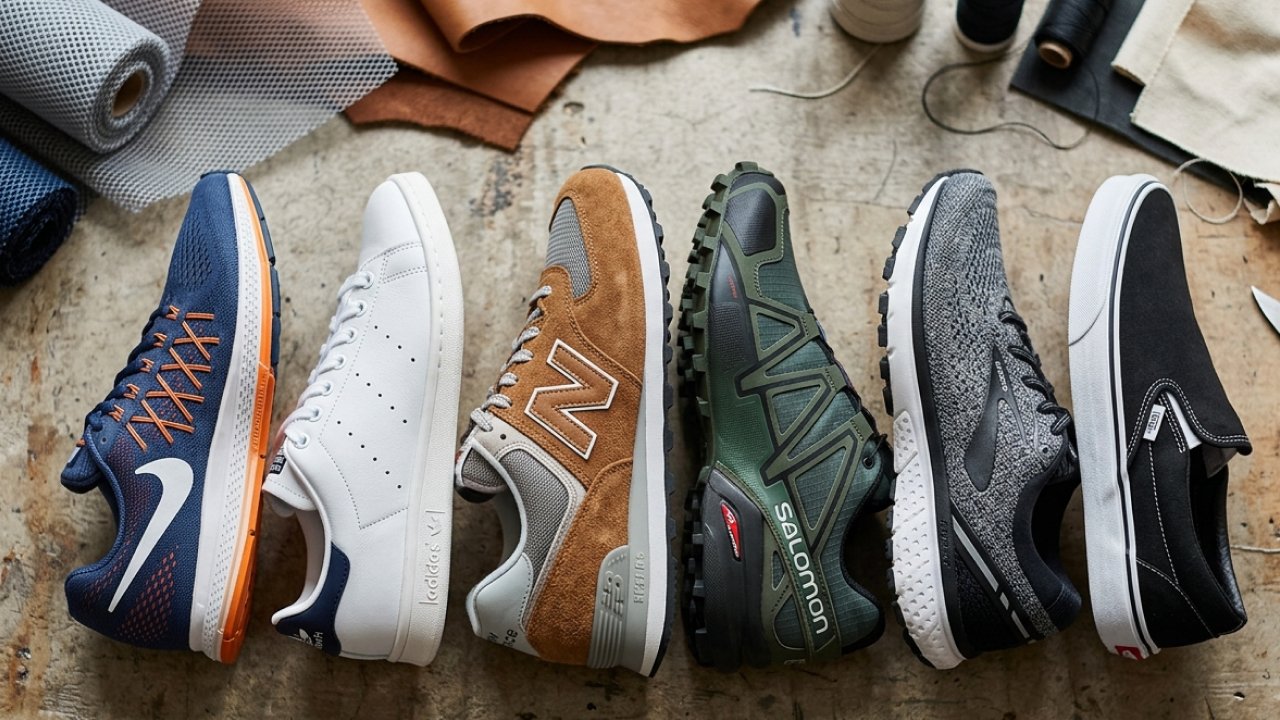
The type of material used in a sneaker has an impact on comfort, breathability, and durability. If you understand the differences in these materials, you’ll be better equipped to select the right sneaker for your use.
Mesh and Knit Uppers
Both mesh and knit materials are light and allow for airflow. They will allow for cooler feet and are good options when looking for a sneaker intended for sports or casual use.
Leather Sneakers
They can provide more durability and a more stylish appearance. Leather sneakers usually have better support; you may have to break them in for maximum comfort.
Synthetic Materials
Synthetic materials are generally light, affordable, and resistant to wear. As a result, many sneakers now use synthetic materials that will enhance performance.
Breathability and Durability Considerations
There should be a balance between airflow and longevity. A breathable sneaker gives you a comfortable shoe to wear, while a durable sneaker will give you a shoe that lasts longer than its usable life.
Evaluate Cushioning and Support
When walking or exercising, good cushioning will help to reduce the amount of stress on your feet and assist with the absorption of shock from impact.
Midsole Technologies
Midsole technologies have become more popular among many manufacturers to increase comfort and energy return when using footwear over extended periods of time.
Shock Absorption
Shock-absorbing materials are very important in helping to decrease the level of impact created from each step, therefore providing additional benefits for running and other high-impact activities.
Arch Support
Depending on your foot type, the level of arch support will vary significantly. The correct selection of support options will assist with improving the level of comfort you have, as well as reducing the amount of stress placed upon your feet.
Stability
The stability characteristics of footwear will assist with controlling excessive foot movement as well as providing a more stable base of support during activities.
Check the Sole and Traction
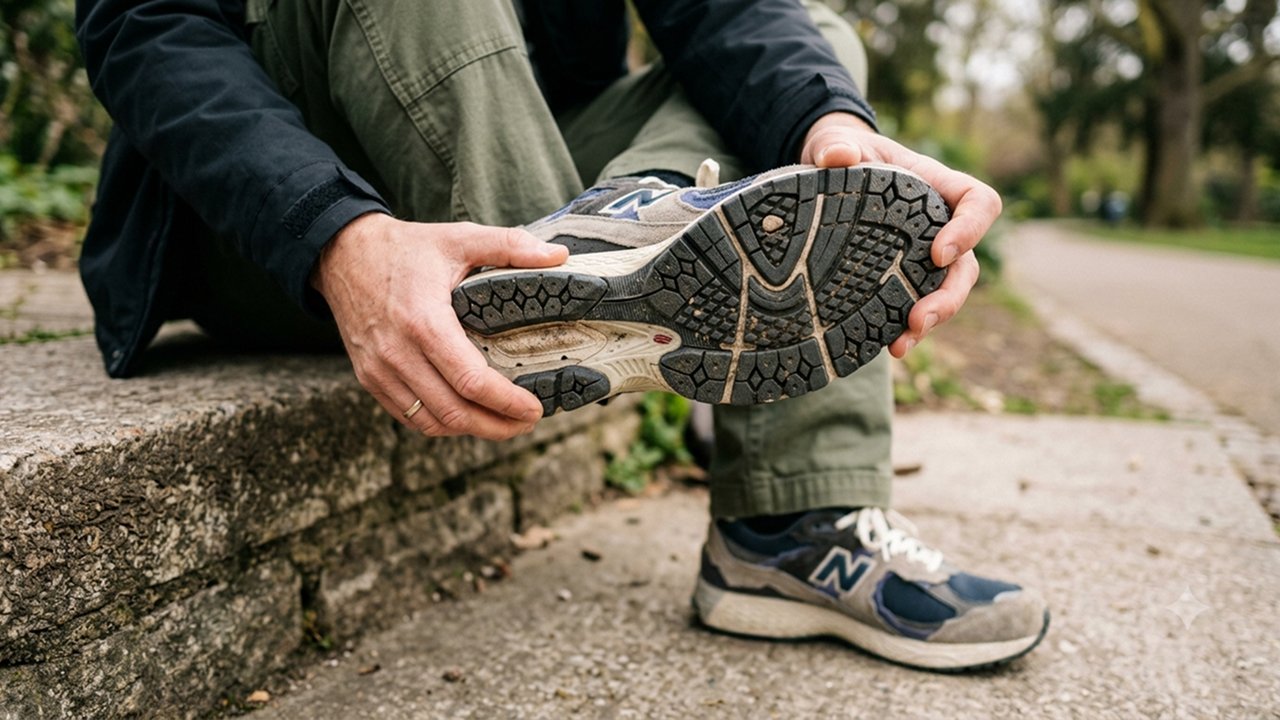
The outsole helps determine how much traction and grip we have while wearing shoes, and different types of shoes require different outsole designs depending on where they are used.
Rubber Outsoles
Shoes that have a rubber outsole will last longer than those with a standard rubber composite. Additionally, rubber outsoles provide solid traction on all types of surfaces and offer a long lifespan.
Grip Patterns
The tread pattern, or grip pattern, is one of the most important components of sneaker design. A sneaker that has an aggressive grip pattern will typically offer better traction than those that do not.
Flexibility/Stability
A well-designed sneaker should strike a balance between being flexible enough to allow for natural foot movements and being stable enough to provide adequate support.
Indoor/Outdoor
It’s also important to consider the type of environment where you will primarily be using the sneakers. For example, outdoor shoes typically need to provide a higher level of durability than indoor shoes.
Consider Your Foot Type
It is important to understand your foot type in order to pick sneakers that fit properly and provide the support and comfort needed.
Neutral Feet
People with neutral feet can generally wear a variety of sneaker types as they do not require any special type of support.
Flat Feet
People with flat feet typically will require shoes that have good arch supports and/or stability features.
High Arches
People with high arches often require cushioning to help distribute weight evenly across their feet.
Overpronation/Underpronation
Certain sneaker models are specifically made to correct excessive inward or outward movement of the foot, which occurs during walking/running.
Assess Sneaker Durability
A long-lasting sneaker is generally a good investment with respect to comfort over the lifetime of the shoe.
Stitching Quality
A shoe that is well-stitched demonstrates strong and consistent stitch work, which is indicative of high-quality workmanship and will add to the long-term durability of the shoe.
Material Strength
A shoe constructed of high-quality materials will be less likely to wear out quickly and will be able to withstand everyday use.
Sole Construction
A good sneaker will have a firmly attached sole, which provides durability and enhances the performance of the shoe.
Signs of a Well-Made Sneaker
When evaluating sneakers, search for quality materials, neat finishing, and solid workmanship.
Pay Attention to Style and Design
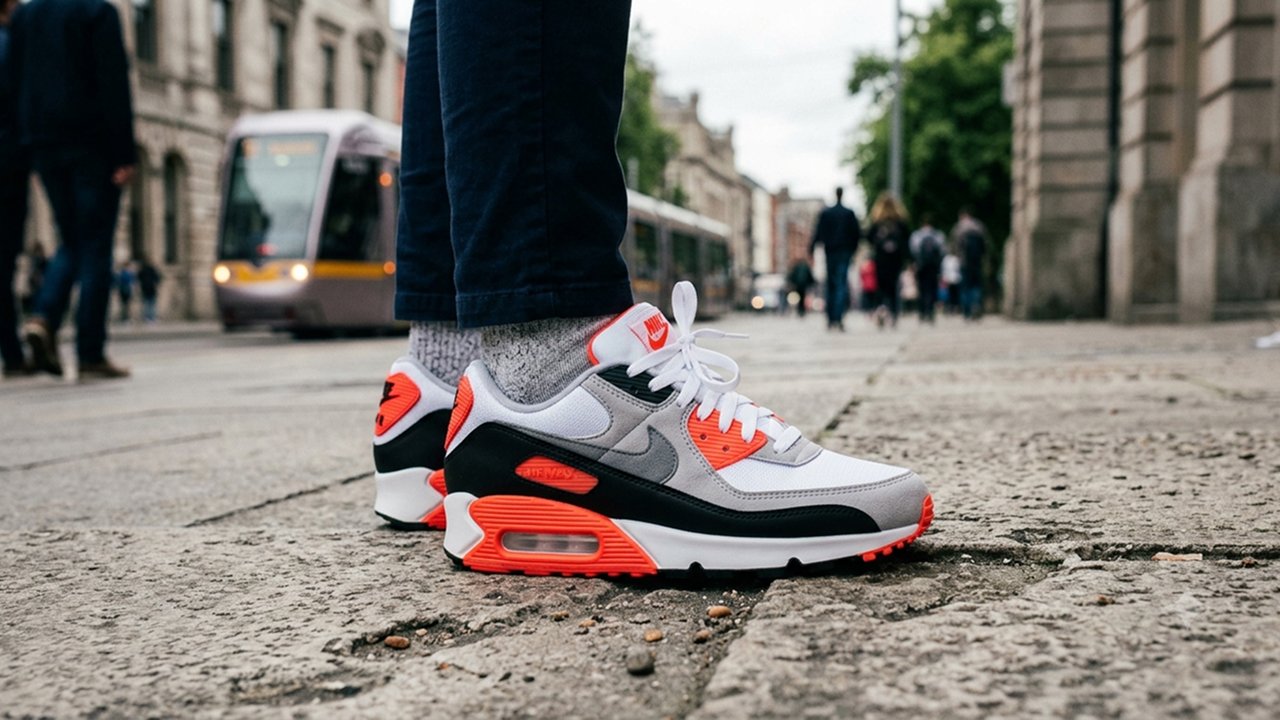
Comfort is one part of the equation when picking a sneaker, but the look of the shoe is another consideration as well.
Color and Pattern Selection
If you’re looking for something to wear with different items in your closet, neutrals tend to be more versatile than bold, bright colors and patterns, which can be more like statement pieces.
Matching Sneakers with Your Wardrobe
You may want to think about how well your sneakers can be combined with what you currently have in your closet.
Trending vs Timeless Design
Trendy styles may not last long, but classic styles will continue to be fashionable for many years to come.
Compare Weight and Flexibility
Another important factor to look for when buying sneakers is their weight and flexibility, as both affect comfort and performance.
Lightweight Sneakers
Lightweight sneakers help to alleviate foot fatigue, which makes them perfect for anyone leading an active lifestyle.
Flexible Versus Structured Designs
Flexible footwear allows the foot to move naturally; on the other hand, structured designs provide more support.
Daily Comfort Impact
Overall, the balance between maximum flexibility and maximum support equals long-term daily comfort.
Compare Weight and Flexibility
Comfort and performance can be affected by sneaker weight and design flexibility.
Lightweight Sneakers
Lightweight sneakers minimize foot fatigue and are best suited for those who lead an active lifestyle.
Flexible vs Structured Designs
Flexible shoes allow feet to move naturally, while structured shoe designs offer added support to feet during activity.
Impact on Daily Comfort
Finding the ideal combination of flexibility and support when selecting footwear is important for long-term comfort.
Set a Budget and Compare Value
Creating a budget can help you narrow down your options and avoid overspending.
Price vs Quality
When deciding what to look for when buying sneakers, consider the materials used, the technology they offer, and the overall price to ensure you get the best value and performance.
Premium vs Budget Sneakers
While premium sneakers usually offer cutting-edge technology and advanced features as well as quality materials, budget sneakers can still provide great comfort and performance.
Longevity
While you may initially pay more for a pair of sneakers that is built to last, you will save money in the long run on replacing those same sneakers should they fail much sooner than their expected lifespan.
Read Reviews and Brand Reputation
Listening to others speak about their experience with sneakers can provide you with information on how they hold up in practical situations.
Customer Feedback
The customer reviews section of the sneaker will provide you with useful information on comfort level, true fit, and how long they last.
Expert Recommendations
Evaluating sneakers from an expert’s perspective can provide important insights into the pros and cons of a particular model.
Warranty and Return Policies
A generous return policy and warranty offer assurance to the buyer when purchasing a sneaker.
Common Mistakes to Avoid When Buying Sneakers
Many consumers think about aesthetics first when purchasing sneakers rather than performance.
Choosing Style Over Comfort
Even if you think a sneaker is visually appealing, comfort is a much more important attribute when selecting shoes that you will wear every day.
Ignoring Foot Shape
Selecting shoes that do not adequately fit your foot will likely not be successful. Each different foot shape requires a different type of sneaker.
Buying the Wrong Size
You can suffer from discomfort and ultimately experience the greatest loss of overall benefit from a sneaker if it does not fit you and your foot shape properly.
To achieve the greatest performance possible from your sneakers, always try to purchase a pair that is developed/good for the majority of the activities that you intend to do.
Final Thoughts
While aesthetics are important, they are not the only factors to consider. Knowing what to look for when buying sneakers can help you choose a pair that truly meets your needs. Consider the sneaker’s fit, comfort, material composition (including the upper, midsole, outsole, etc.), support, longevity & overall function of wearing the shoe to ensure that they meet your personal requirements & provide you with adequate value for your money.
As an added benefit of examining these criteria prior to making your purchase, you will have a better chance of making an enjoyable & satisfying purchase.
You Might Like to Read:
