
Mini Cart
A wide shoe size guide helps people with wider-than-normal feet. The shoe length will determine the overall size of the shoe, but the width sizing will give you more room in the forefoot, midfoot, and toe areas of the shoe. A wide shoe will help you have a more comfortable fit and make your foot feel less pressured by allowing your foot to move naturally.
How Shoe Width Sizing Works?
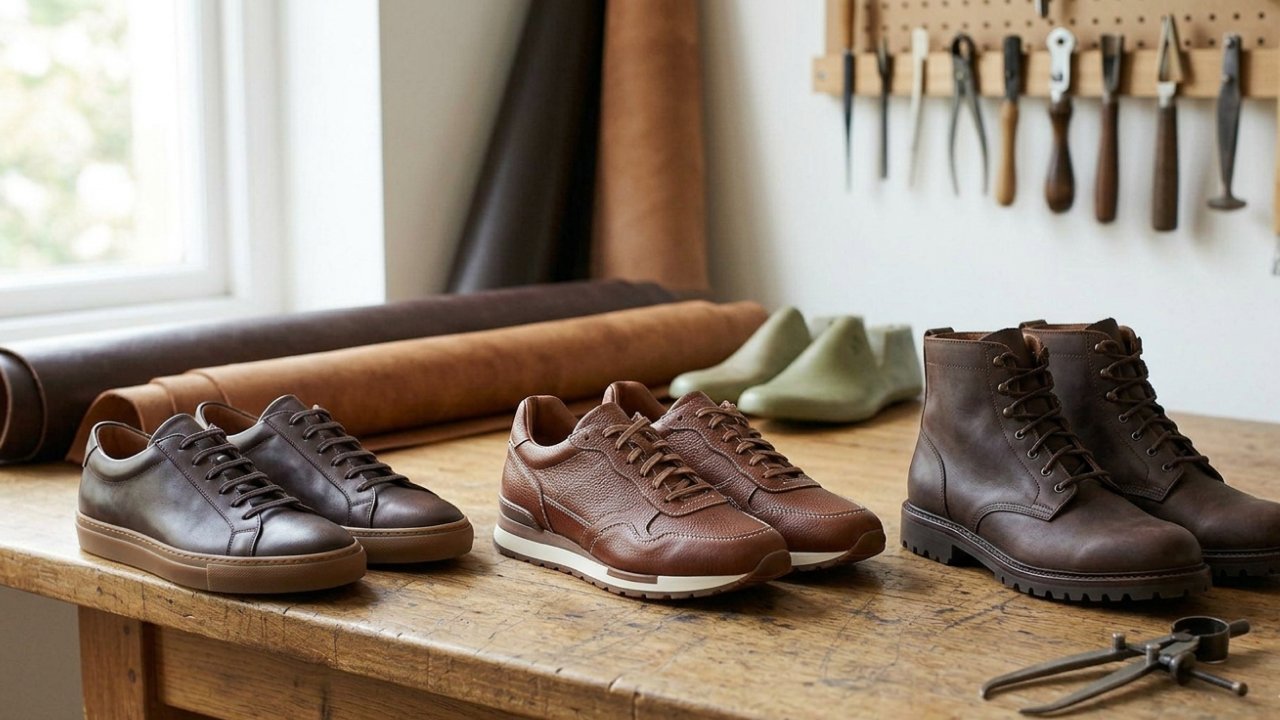
Width sizing in shoes uses letters to represent how narrow, “standard”, or “wide” they will be on their respective feet. While the width classification of shoes for men differs somewhat from that for women, the principle is the same. The further away from the standard width letter classification or designation, the wider the shoe will be.
Most types of shoes come in width categories such as “standard”, “wide”, “extra wide”, and “extra-extra wide”. Knowing the meaning of these width designations will help you make an appropriate choice for footwear that fits correctly in both length and width.
Wide-Fitting Footwear Size Chart
Shoe size charts assist in the selection of the proper width classification according to foot size/length. Accordingly, wide shoe sizing charts usually provide options from ‘Standard‘, ‘Wide‘, and ‘Extra Wide‘ for both males (men’s classifications) and females (women’s classifications), making choosing the right size easier.
Additionally, because they often have different sizing criteria, those typically included in wide shoe sizing charts include US, UK, and EU conversion options; this is an added benefit that provides wide shoe wearers with precise sizing.
How to Measure Your Foot Width at Home
Wide shoe size charts assist in the selection of the proper width classification according to foot size/length. Accordingly, wide shoe sizing charts usually provide options from ‘Standard‘, ‘Wide‘, and ‘Extra Wide‘ for both males and females, making choosing the right size easier.
Additionally, because they often have different sizing criteria, those typically included in wide shoe sizing charts include US, UK, and EU conversion options; this is an added benefit that provides wide shoe wearers with precise sizing.
How to Find Your Correct Wide Shoe Width

The first step in using a wide shoe size guide is taking your length and width measurements, so you have both. Once you determine your length measurement and what shoe size you typically wear, you will compare your width measurement to the appropriate wide shoe sizes using the sizing chart in order to see if you require a wide fit or an extra wide fit.
A properly sized shoe will give you enough space between your feet and the front of the shoe (to allow for toe movement) while at the same time being able to support your foot and provide a secure heel.
Signs You Need Broad Shoes
The width of shoes may not be long enough for some individuals. Shoes that are worn correctly should fit properly – neatly without excessive pressure – or you will experience extreme discomfort in those areas (i.e., side areas of the foot) after only wearing them a few minutes.
Other issues which often accompany improperly fitting shoes are: frequent blistering, sore toes, or shoes that appear to have been stretched out by the wearer. If your foot feels too cramped when wearing shoes that fit correctly, try purchasing a wider size of shoes as a solution.
Wide vs Extra Wide Shoes – What’s the Difference?
Extra-wide shoes refer to shoes that provide even more space in the forefoot and toe box area when compared to wider-width shoes. The difference may be slight, but having that available space could make a significant difference in terms of comfort for someone who has wide feet. Whether you would like to wear either a standard width or an extra wide width should be determined by your measurements instead of by personal preference.
Wide Shoe Sizing by Foot Shape
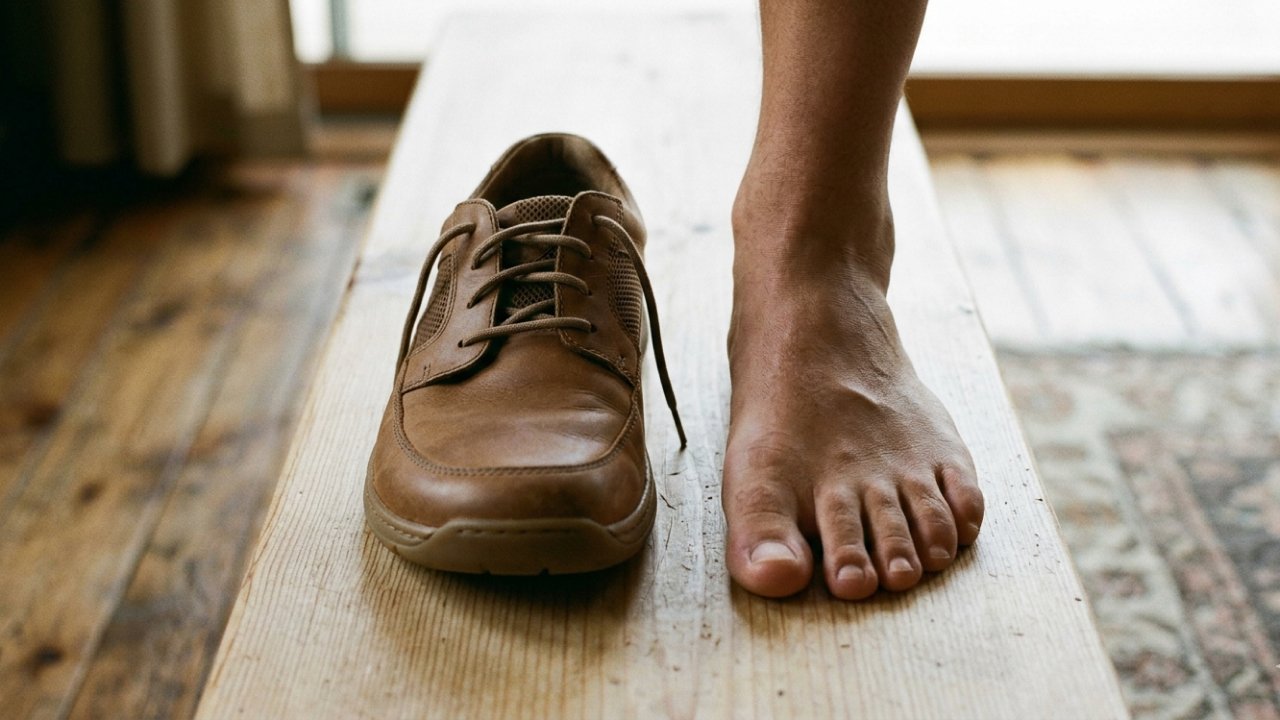
Foot shape is an important factor when selecting shoe width. If you have a broad forefoot or if your foot has a high instep or bunions, you’ll most likely need a shoe with extra width. By knowing your unique foot shape, you’ll be better able to determine which width category will give you the most comfort and support while maintaining a good fit.
Common Wide Shoe Sizing Problems
Even the wide shoe may still cause you to have a poor fitting shoe; you may experience heel slip, and some people find their shoes are still tight in certain areas, but they are wider than the normal size.
Different shoe brands have unique sizing methods and, as such, will affect the fit you receive due to the size difference in each company’s product line. You must take accurate measurements of your feet when selecting your size on width charts.
Tips for Getting the Best Fit
Your shoe measurement can change from time to time, so it’s important to measure your feet periodically. Make sure you measure both length and width of your feet each time, and it might be helpful to measure your feet later in the day when your feet are usually at their largest.
When trying on footwear, make sure there is enough room for your toes to be positioned comfortably, but also that there is still a snug fit about your heel and midfoot areas.
Wide Shoe Size Conversion Charts
Wide shoe size conversion charts allow you to compare shoe sizes from different regions in the world and to compare shoe sizes from different countries, including the United States, the United Kingdom, and Europe.
They will make it easier to decide what size will fit when you are shopping internationally or comparing the widths and lengths of shoes. When making a size choice, always confirm both width and length conversions.
Frequently Asked Questions
What is considered a wide shoe size?
Wide shoes are classified as those shoe widths that are larger than the size of other shoes.
Are wide shoes longer than regular shoes?
No, wide shoes have wider widths than standard-sized shoes, but their lengths do not change.
How do I know if I need wide shoes?
If your toes are being squished together in the front of your shoe when walking, if you are getting blisters frequently and/or if you have pain on the side of your foot, your shoes are likely too small.
What is the difference between wide and extra-wide shoes?
Wide-width shoes have a wider fit throughout the full foot, including the forefoot area, but extra-wide has much more room than just being a little wider across the forefoot.
Can shoe widths vary between brands?
Yes, shoe widths can vary between brands. It’s important to check the size chart of the shoe company you’re purchasing from to find out exactly what size will fit correctly.
Final Thoughts
The first step to finding the right fit with a wide shoe size guide is measuring your feet accurately and using an accurate width chart. Knowing how width classifications are defined will help you to size your shoes more comfortably and avoid common sizing issues.
You Might Like to Read:
